Plan daycare carpet work through the center’s own cleaning and child access policy. Identify carpeted play areas, known materials and spills; ask the director which products and providers are permitted; keep children away from active work and wet carpet; then inspect and record the area before it returns to use. A carpet cleaning visit does not establish sanitization or a risk free play area.
Go to: follow policy · map play areas · check products · separate children · separate claims · record handover · ask about a scope.
Start with the daycare director’s approved plan
Ask who approves carpet work, provider entry, child supervision, room closure, product use, ventilation, incident reporting and reopening. Record the named room and task before anyone proposes a method. The center’s rules and any applicable license requirements must be checked by its responsible staff; this article does not set a universal cleaning interval or child care policy.
CDC early care and education guidance distinguishes cleaning, sanitizing and disinfecting. It describes vacuuming carpet and rugs and choosing products suitable for soft surfaces. It also gives separate directions for frequently touched surfaces, toys, feeding items and body fluid events. A carpet task should not be presented as the center’s whole infection prevention program.
Map carpeted play and circulation areas
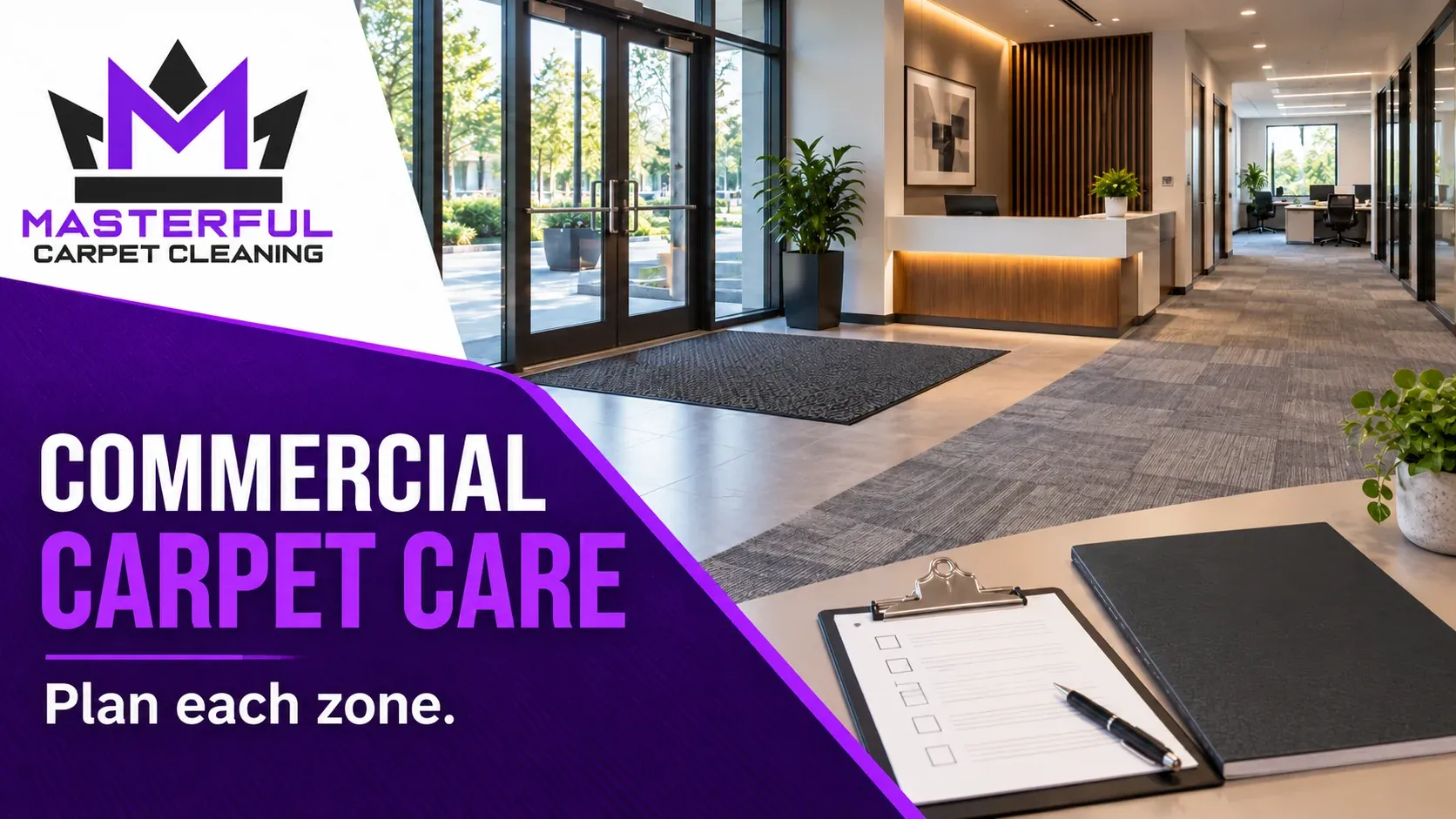
Walk the room with the director or facilities lead. Mark carpet where children sit or play, entry and coat areas, nap spaces, activity stations and staff routes. Note food, drink or art spills, tracked soil, carpet backing, prior products and any moisture concern. A compact area record helps staff decide which part needs routine soil care, a spot assessment or a separate incident response.
| Area | Question for the center |
|---|---|
| Floor play area | When is it occupied, which carpet and care instructions apply, and who approves closure? |
| Entry and circulation | Where does soil arrive, what route remains open and when can a section close? |
| Food or activity zone | Which spills were reported and does an incident or product rule apply? |
| Damp or damaged carpet | Who checks the source, backing or pad and decides on specialist assessment? |
Check the exact carpet, product and label
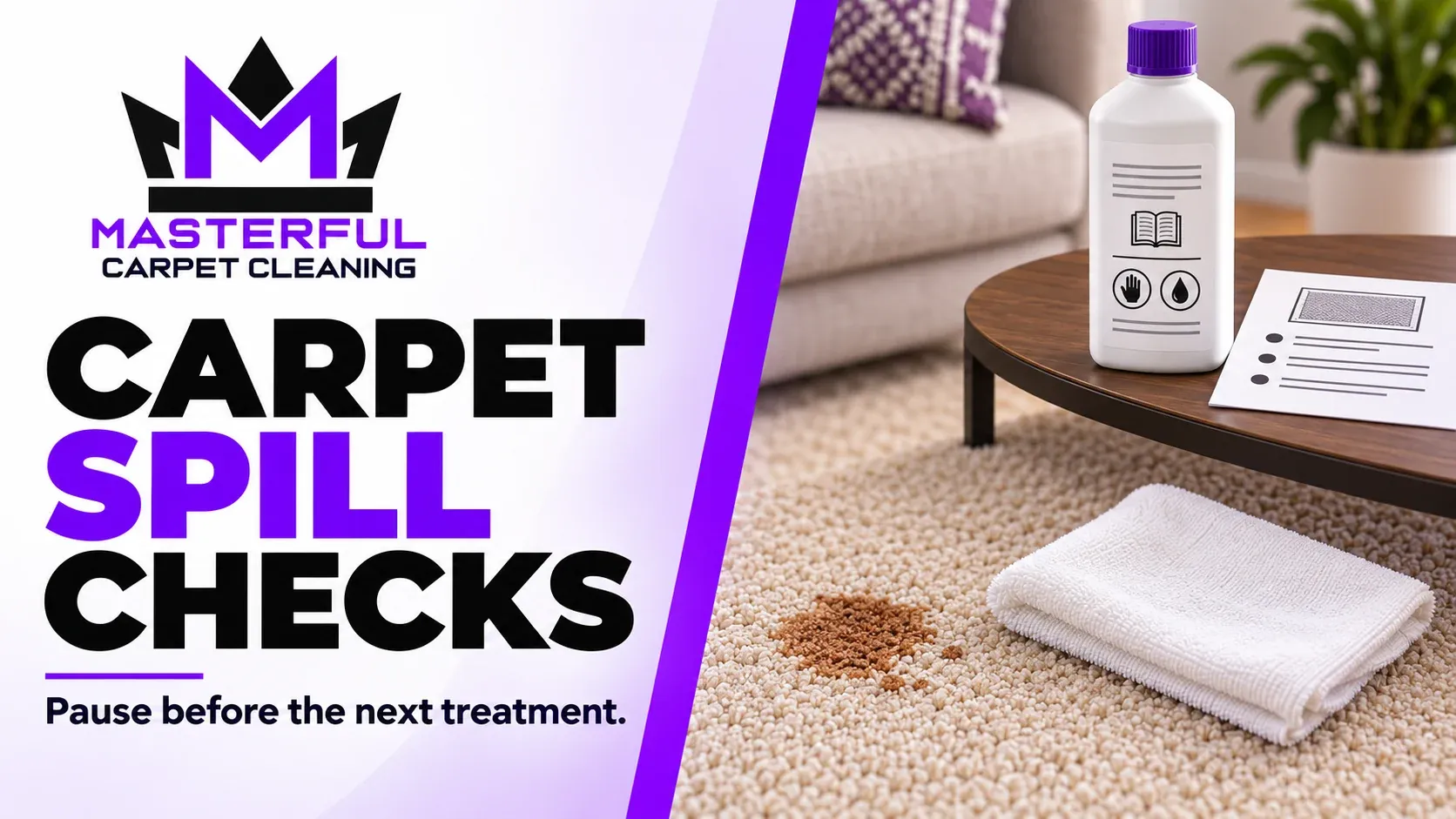
Identify carpet construction and maker instructions before choosing a treatment. Ask the proposed provider for the product name, complete label, surface directions, preparation and removal steps, ventilation needs and any access restrictions. The director should compare that information with the center’s approved product list. Descriptions such as “non toxic,” “green” or “child safe” do not replace the exact label and a plan for this room.
The EPA school cleaning supplies guidance emphasizes careful chemical selection and use. CRI 204 commercial carpet guidance separates routine, interim and deeper carpet care and calls for the carpet maker’s instructions. Neither source establishes that a named product is appropriate for every daycare carpet or that a fixed schedule fits every room.
Keep children apart from work and wet carpet
Choose a room closure window with the center. Agree on child and staff routes, barriers, equipment and product storage, ventilation, drying checks and who may reopen the area. Keep children away from active treatment and from carpet that remains wet under the center’s policy and product directions. A surface that feels dry does not prove the backing or pad is ready. Do not promise a universal return hour.
If the center cannot provide a suitable closure and drying window, change the work plan or leave that area closed until the responsible person can inspect it. If dampness, odor or a spill concern remains, refer it through the center’s procedure rather than repeating treatment without review.
Keep cleaning separate from health claims
Routine carpet care can be described by the soil and work observed. It does not by itself prove a carpet was sanitized or disinfected, that allergens or pathogens were removed to a measured level, or that children will avoid illness. Such claims require the exact surface, product label, process and evidence, plus the center’s approval. The CDC guidance treats soft surfaces differently from frequently touched hard surfaces and items that contact children’s mouths.
Do not infer that a clean looking carpet makes a play area free of risk. The center should assess its broader hygiene, supervision, spill and room use procedures separately from the carpet work.
Record the work and return decision
Keep a short record for the director or facilities lead. It documents what was done, where and under whose approval; it is not a medical result or a blanket safety certification.
| Record | Check with the center |
|---|---|
| Starting condition | Room, date, carpet identity if known, visible soil, spill history and damp areas. |
| Approved scope | Method, product and label, work window, child routes, exclusions and change approval. |
| Work reported | Areas treated, product used, remaining spots, damage or incident concerns. |
| Return to use | Drying and access checks under policy, restrictions and named person approving the room. |
Use the room and work records to review entrance soil, routine care, spot reports and deeper work across the center. A broader commercial carpet plan can compare methods and longer schedules; this room’s child access and product approvals still control each job.
Ask about a center approved carpet scope
If the center permits an outside carpet provider, use Masterful Carpet Cleaning’s contact page or call (971) 600-6265 to ask which services it currently offers for the named daycare area. Share the carpet information, observed condition, center rules and available closure window. Request a written method, product, drying and handover plan for director review. Contact does not establish daycare specialization, emergency response, a child safe product or a health outcome.